Bingo Across Generations: How Age Shapes the Game’s Appeal

Bingo Across Generations: How Age Shapes the Game’s Appeal
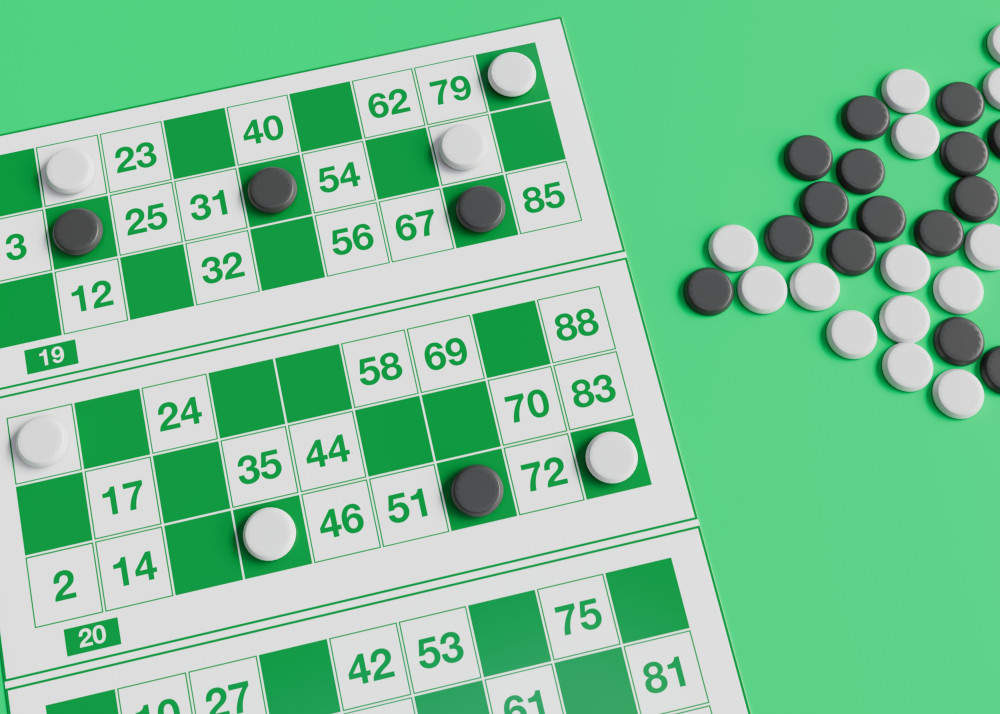
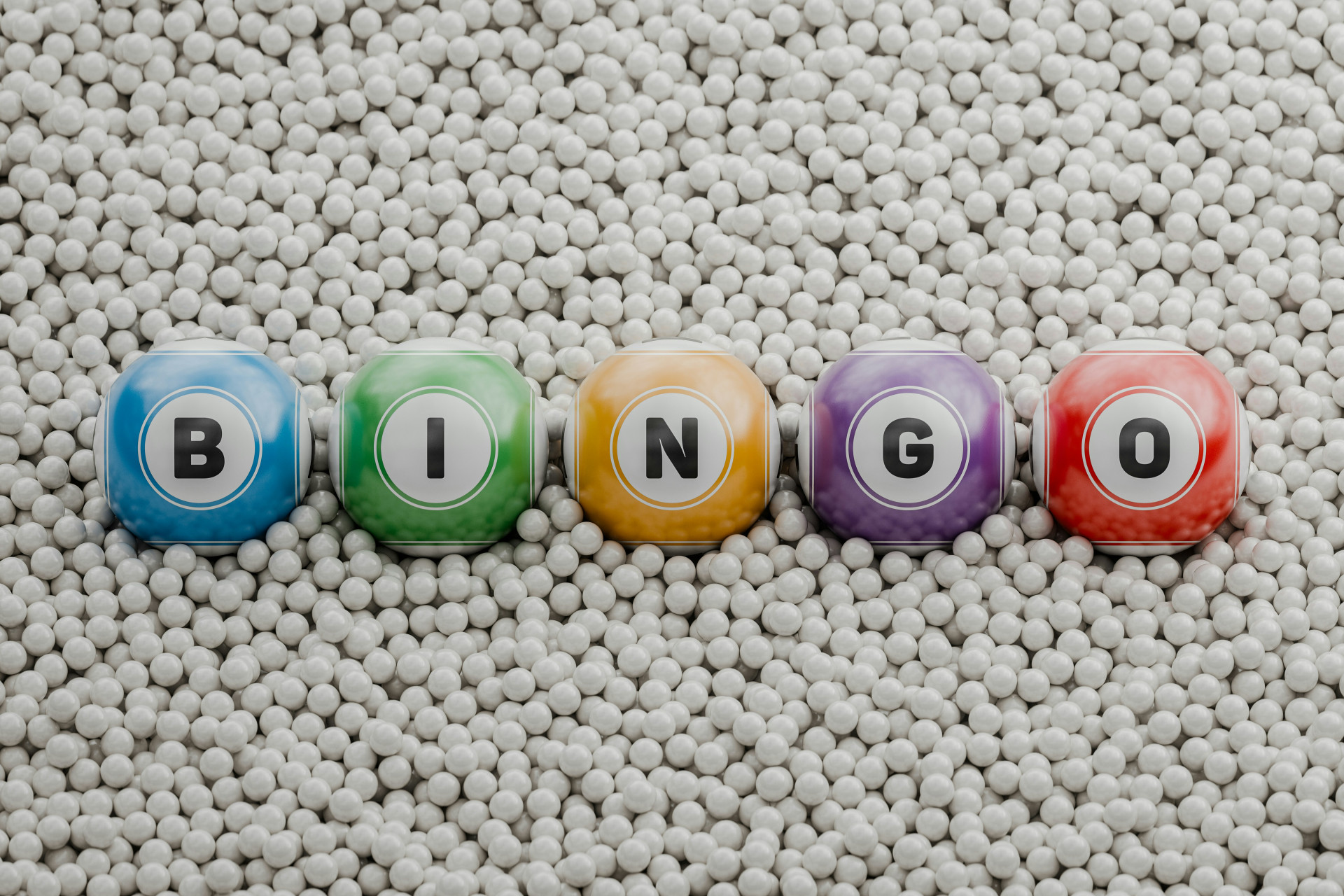
At first glance, bingo seems simple: numbers are called, cards are marked, and excitement builds until someone shouts “Bingo!”. Yet behind the numbered squares lies a game that has travelled through generations, adapting to the times and taking on new meanings for different age groups. For some Australians, it’s a cherished community ritual; for others, a nostalgic throwback or a quirky night out. Bingo’s enduring charm lies in how it evolves with us.
A Game with Deep Roots in Australian Life
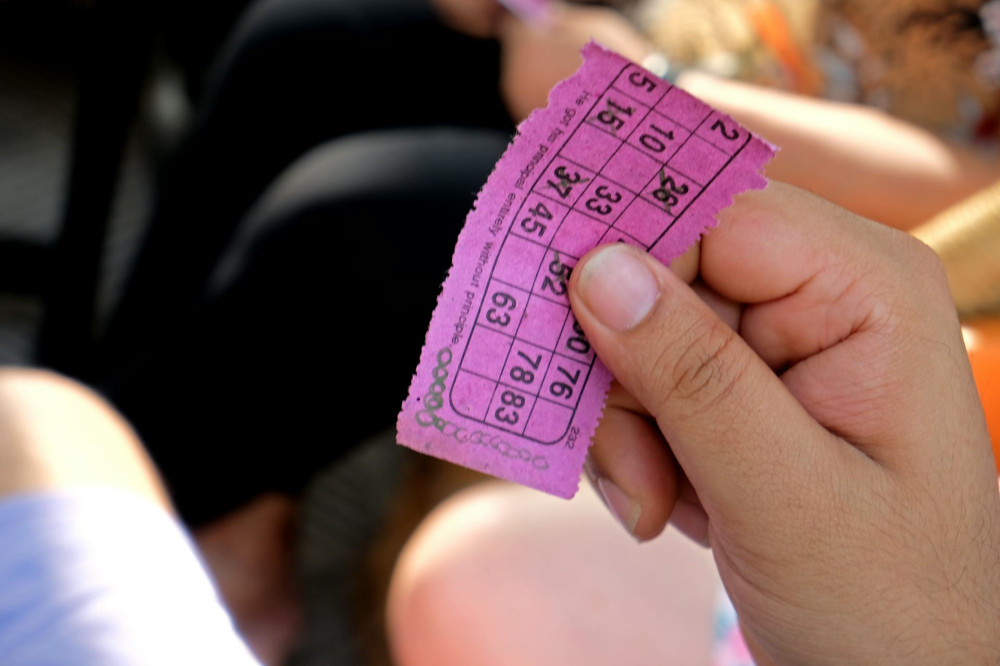
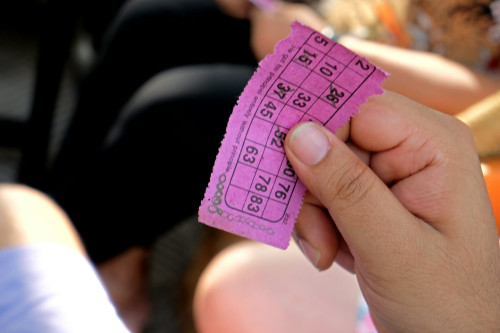
Bingo’s origins stretch back centuries, but in Australia it truly took hold in the mid-20th century. Known locally as “housie” in many clubs and community halls, it became a staple of RSLs, church fundraisers, and local events. For older Australians, bingo is often tied to memories of community spirit — the friendly banter, the smell of instant coffee, and the thrill of winning a meat tray or a box of chocolates.
For this generation, bingo is more than a game; it’s a social anchor. It offers routine, connection, and a sense of belonging. The familiar rhythm of numbers being called and the shared laughter across tables create a comforting space that many still treasure.
The Younger Generation’s Bingo Revival
In recent years, bingo has made a surprising comeback among younger Australians — but in a very different form. “Drag bingo,” “music bingo,” and themed bingo nights have become popular in pubs and bars across the country. Here, the focus isn’t on the prizes but on the experience: the humour, the music, and the shared fun.
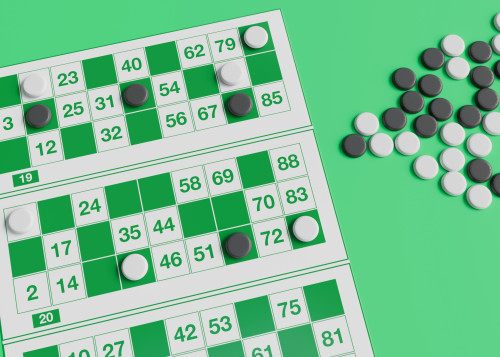
For millennials and Gen Z, bingo is often a playful nod to the past. It’s a way to mix nostalgia with novelty — a social event that blends irony and tradition. Where their grandparents might have played with paper cards and dabbers, today’s players might be sipping cocktails while marking off song titles on their phones. The essence of the game remains, but the atmosphere has transformed.
A Bridge Between Generations
One of bingo’s greatest strengths is its ability to bring people together across age groups. It’s easy to learn, requires no special skills, and invites everyone to join in. Families can play together at home, and communities can gather in clubs or online. In a world where entertainment often divides by age, bingo remains one of the few activities that unites.
When a grandparent and grandchild sit side by side, each with their own card, the game becomes more than competition — it’s a shared moment. The laughter, the anticipation, and the simple joy of participation create a rare space where age doesn’t matter.
From Halls to Screens – The Digital Shift
Technology has reshaped how Australians play bingo. Online platforms and mobile apps now allow people to join games from anywhere, whether they’re at home or on the go. For some older players, this shift has been a challenge; for others, it’s opened new ways to stay connected. Many online bingo sites include chat rooms, recreating the friendly chatter of the local hall in a digital space.
For younger players, the digital version feels natural. It’s a quick, casual form of entertainment that fits into busy lives — a few rounds during a lunch break or while commuting. Yet even in this modern form, the heart of bingo remains the same: connection, excitement, and a touch of luck.
Læs også:

Why Age Matters
Age shapes how we experience bingo because it reflects what we seek from play and community. Older Australians often value the tradition, familiarity, and social warmth of the game. Younger players are drawn to its creativity, humour, and sense of shared fun. But across all generations, the appeal lies in the same simple truth — bingo brings people together.
Bingo, in the end, is more than a pastime. It’s a reflection of life’s stages: from youthful curiosity to adult busyness and the calm of later years. No matter where you are in life, there’s something timeless about the thrill of hearing your number called and sharing that moment of joy with others.
Læs også: