Make Your Own Sustainable Bingo Game Using Recycled Materials

Make Your Own Sustainable Bingo Game Using Recycled Materials
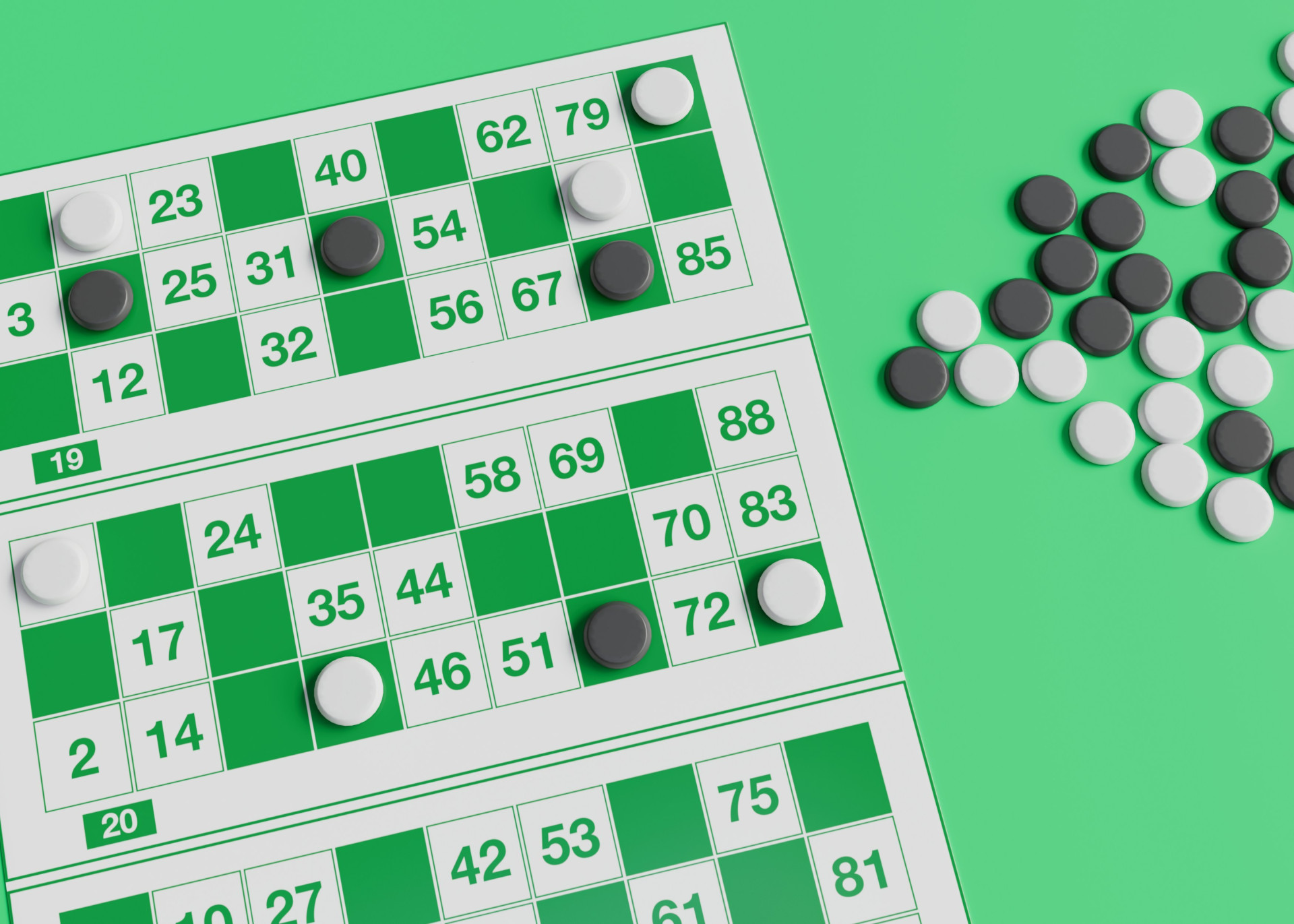
A bingo game doesn’t have to come in a plastic box or be bought from a store to bring people together. With a bit of creativity and some recycled materials, you can make your own sustainable bingo set that’s fun, personal, and eco-friendly. It’s a great activity for family nights, school holidays, or a rainy afternoon project. Here’s how to get started.
Why Choose a Sustainable Bingo Game?
Making your own game isn’t just about saving money – it’s about thinking sustainably. By using materials you already have at home, you reduce waste and give new life to items that might otherwise end up in the bin. You’ll also end up with a game that’s unique to your family or friends, filled with themes, pictures, and words that mean something to you.
A homemade bingo game can be reused again and again, and if any part wears out, you can easily replace it. That makes it a greener alternative to disposable or cheaply made plastic versions.
Materials You Can Use
You don’t need to buy anything new to get started. Have a look through your drawers, cupboards, or recycling bin – you’ll be surprised at what you can find. Here are some ideas:
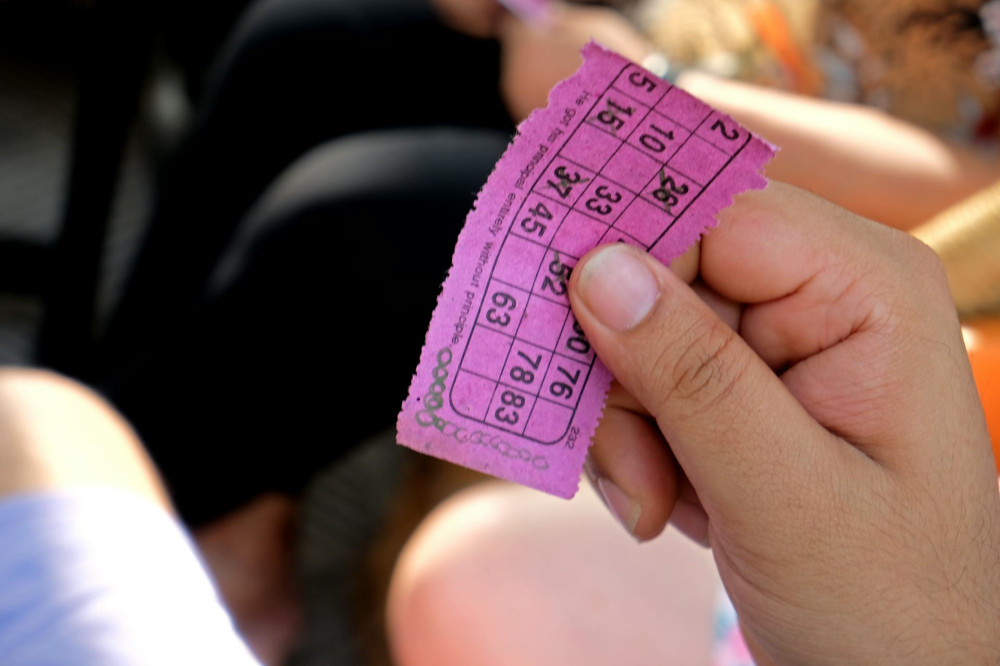
- Cardboard or thick paper from old boxes, packaging, or folders – perfect for bingo cards.
- Magazines, newspapers, or flyers – cut out pictures or words for the squares.
- Bottle caps, buttons, or small shells – use them as markers.
- Old envelopes or fabric scraps – great for storing the pieces.
- Textas, coloured pencils, or paint – to decorate your cards.
If you have kids, let them help collect materials and choose a theme. It makes the process more fun and educational.
Læs også:
How to Make the Bingo Cards
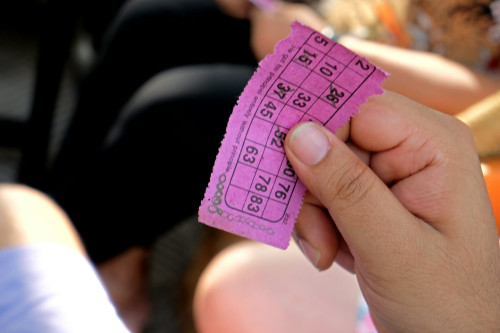
- Cut out the cards from cardboard or thick paper in a size that’s easy to handle – A5 works well.
- Draw a grid with 5x5 squares (or fewer for younger children).
- Fill the squares with pictures, words, or symbols. You can choose a theme – for example, Australian animals, native plants, beach life, or family activities.
- Create a “bingo bag” with small matching pieces that correspond to the squares. Use paper slips, bottle caps, or small stones with symbols drawn on them.
- Decorate the cards with colours, patterns, or stickers – use what you have and let your imagination run wild.
To make the cards more durable, you can cover them with clear tape or slip them into reused plastic sleeves.
Make It Personal
A homemade bingo game can be tailored to any occasion. Try these ideas:
- Family Bingo, with squares showing family members, pets, or favourite meals.
- Nature Bingo, where players look for things outdoors – like a kookaburra, gum leaf, or seashell.
- Party Bingo, with fun challenges or questions in each square.
- Recycling Bingo, where players find items around the house that can be reused or recycled.
This way, the game becomes both entertaining and meaningful – and you can easily adapt it for different events.
Playing and Storing the Game
Once your cards are ready, it’s time to play. Use your homemade markers – bottle caps, buttons, or small pebbles – to cover the squares. One person draws from the “bingo bag” and calls out the items while everyone else marks their cards.
After the game, store everything in a box or fabric pouch so it’s easy to find next time. If you’ve made several themed sets, keep them in separate envelopes or folders to use throughout the year.
A Creative and Green Activity for Everyone
Making your own bingo game is more than just a fun craft – it’s a way to live more sustainably. You’ll learn to see value in reusing materials, and you’ll create something that can bring joy again and again. It’s also a wonderful activity for all ages: kids can cut and draw, adults can design and organise, and everyone can play together.
So next time you think about buying a new game, try making your own instead. It’s good for the planet – and even better for bringing people together.
Læs også: